
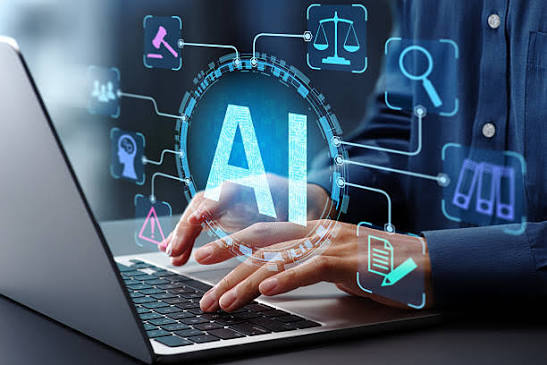
Artificial Intelligence: Transforming the Way We Live and Work
Artificial Intelligence, commonly known as AI, has become one of the most influential technologies of the modern world. From smartphones and virtual assistants to healthcare, education, and software development, AI is changing how people interact with technology and solve everyday problems.
AI refers to computer systems designed to perform tasks that usually require human intelligence. These tasks can include understanding language, recognizing images, analyzing large amounts of data, generating content, and making predictions.
One of the most exciting developments in AI is generative AI. These systems can create text, images, audio, video, and even computer code based on instructions provided by users. For developers, AI can assist with writing code, finding bugs, understanding complex concepts, and speeding up repetitive development tasks.
However, AI is not simply about replacing human effort. Its greatest potential comes from working alongside people. Human creativity, judgment, empathy, and critical thinking remain essential. AI can process information quickly, but people are responsible for deciding how that technology should be used.
The rapid growth of AI also introduces important challenges. Privacy, misinformation, bias, copyright, security, and the impact of automation on employment are issues that require careful consideration. As AI becomes more powerful, responsible development and ethical use will become increasingly important.
The future of AI will likely bring even deeper integration into our daily lives. Businesses will automate more processes, developers will build smarter applications, and individuals will have access to increasingly capable digital assistants.
Artificial Intelligence is more than a technological trend—it represents a significant shift in how we create, communicate, and solve problems. The future will not be shaped by AI alone, but by how effectively and responsibly humans choose to use it.